
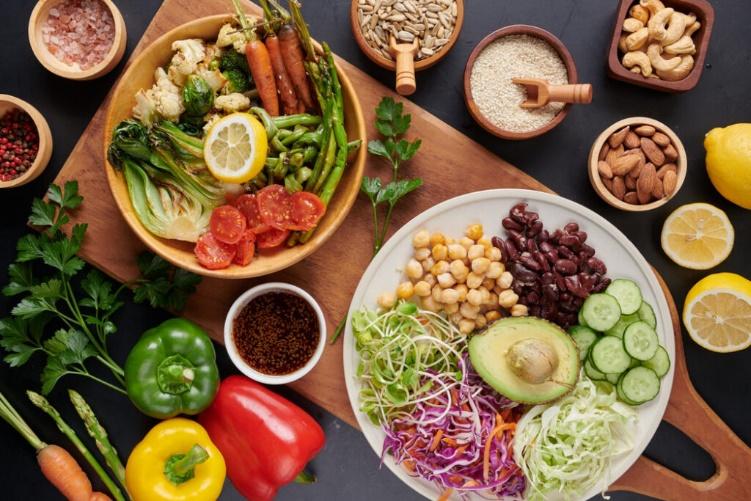
When people decide they want to eat healthier, one of the first questions they often ask is, “What foods do I need to stop eating?”
No more bread. No more desserts. No more carbs. No more snacks.
While cutting certain foods may seem like the fastest way to improve your diet, constantly focusing on restriction can leave you feeling deprived, frustrated, and eventually ready to give up altogether.
Healthy eating doesn’t have to be about everything you can’t have.
Instead, try shifting your mindset and asking a different question:
“What can I add to my meals to make them healthier?”
Adding more nutrient-dense foods to your meals can help you feel satisfied, energized, and better nourished without making healthy eating feel overly restrictive. Building healthy eating habits is often about making small improvements that you can realistically maintain over time.
Add More Protein
Protein can play an important role in a balanced diet. It helps you feel full and satisfied, supports muscle maintenance, and can make meals and snacks more substantial.
Some easy ways to add more protein include:
- Eggs
- Greek yogurt
- Chicken or turkey
- Fish
- Cottage cheese
- Beans and lentils
- Protein shakes
Instead of completely removing foods you enjoy, start by looking at your current meals and asking whether you can add a source of protein.
For example, you might add eggs or Greek yogurt to breakfast, grilled chicken to your salad at lunch, or fish, turkey, or lean protein to dinner.
Even small additions can help create meals that feel more balanced and satisfying.
Add More Vegetables
Vegetables provide vitamins, minerals, fiber, and volume to your meals without requiring you to completely change what you’re already eating.
You don’t need to suddenly fill your refrigerator with vegetables you’ve never tried. Start with foods you already enjoy and find simple ways to incorporate more of them into your routine.
Try:
- Adding a side salad with lunch
- Adding extra vegetables to soups and casseroles
- Blending spinach into a smoothie
- Adding vegetables to eggs or omelets
- Snacking on bell peppers, cucumbers, or carrots
- Adding an extra vegetable to your dinner plate
The goal isn’t perfection.
If you normally eat one serving of vegetables a day, try adding a second. Once that becomes part of your routine, you can continue building from there.
Add More Fiber
Fiber is another important part of a balanced diet. Fiber-rich foods can support digestion and help meals feel more filling and satisfying.
Foods naturally rich in fiber include:
- Fruits
- Vegetables
- Beans
- Lentils
- Oats
- Whole grains
- Chia seeds
- Flax seeds
Adding fiber doesn’t have to make meal planning complicated.
Try adding berries to Greek yogurt, beans to a salad, oatmeal to your breakfast rotation, or fruit alongside your lunch.
Small additions like these can help improve the nutritional quality of meals you’re already eating.
Don't Forget About Water
When we’re focused on improving our diets, it’s easy to spend so much time thinking about food that we forget about hydration.
Making water part of your daily routine is another simple healthy habit you can build without restricting what you eat.
Try:
- Drinking a glass of water with meals
- Carrying a reusable water bottle throughout the day
- Sipping water between meals
- Adding lemon, cucumber, or berries for flavor
- Keeping water nearby while you’re working or running errands
Rather than trying to completely change your routine overnight, start with something simple—like adding one extra glass of water each day.
As that habit becomes easier, continue building from there.
Add Healthy Fats
Fat doesn’t need to be something you’re automatically afraid of when trying to eat healthier.
Foods that contain healthy fats can help make meals more satisfying and can be incorporated into a balanced eating plan.
Consider adding:
- Avocado
- Nuts
- Seeds
- Olive oil
- Nut butters
You don’t need a large amount to make a difference.
For example, add avocado to a salad, sprinkle seeds over Greek yogurt, use olive oil when preparing vegetables, or pair fruit with a small serving of nut butter.
The goal is to create balanced meals that leave you feeling satisfied rather than constantly thinking about what you aren’t allowed to eat.
Build Healthier Meals Instead of Perfect Meals
Healthy eating doesn’t require a perfect diet.
It doesn’t mean you can never have dessert again. It doesn’t mean carbohydrates are automatically off-limits. And it doesn’t mean every meal needs to look like something you’d see on social media.
Instead, look at what you’re currently eating and identify one thing you could add.
If you normally eat one vegetable a day, aim for two.
If your breakfast doesn’t contain much protein, add a protein-rich option.
If you rarely drink water during the day, start carrying a water bottle.
If your meals aren’t keeping you satisfied, consider whether adding protein, fiber, vegetables, or healthy fats could help make them more balanced.
These changes may seem small, but that’s the point.
Small changes are often easier to repeat, and repeated behaviors are what eventually become habits.
Progress Over Perfection
Healthy eating isn’t about following a perfect diet every single day. It’s about consistently making choices that support your goals while still allowing flexibility in your life.
Instead of focusing on everything you think you need to eliminate, focus on what you can add.
Add more protein.
Add another vegetable.
Add fiber-rich foods.
Drink more water.
Include healthy fats.
Then continue building from there.
Every positive choice matters, and every small improvement is a step toward developing healthier eating habits that fit your real life.
At Absolute Weight Loss & Nutrition Center, we believe sustainable progress comes from creating realistic habits—not chasing perfection.
Focus on what you can add, celebrate the progress you’re making, and remember:
Small changes made consistently can lead to lasting results.