
Eating healthier doesn’t have to mean complicated meal plans, strict food rules, or completely changing the way you eat.
One of the simplest ways to create more balanced meals is to focus on what’s on your plate.
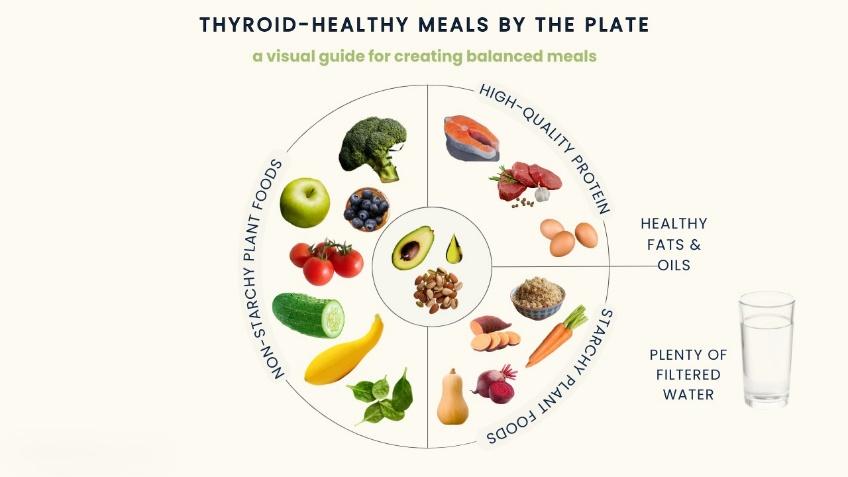
A balanced plate combines protein, vegetables, carbohydrates, and healthy fats to create meals that are satisfying, nutritious, and easier to maintain as part of your everyday routine.
Instead of worrying about making every meal perfect, use these basic principles as a guide when building your meals.
Start With a Source of Protein
Protein is an important part of a balanced meal. It can help meals feel more satisfying while supporting muscle maintenance and your overall nutrition goals.
There are plenty of ways to incorporate protein depending on your preferences.
Some options include:
- Chicken or turkey
- Fish
- Eggs
- Greek yogurt
- Cottage cheese
- Lean beef
- Tofu
Try choosing a protein source first when planning your meal, then build the rest of your plate around it.
For breakfast, that might mean eggs or Greek yogurt. For lunch or dinner, you might choose chicken, fish, lean beef, turkey, or tofu.
Keeping a few convenient protein options available can also make putting together balanced meals easier on busy days.
Fill Half Your Plate With Vegetables
Vegetables are an easy way to add nutrients, fiber, variety, and volume to your meals.
A simple goal is to work toward filling approximately half of your plate with vegetables.
That could include:
- Broccoli
- Green beans
- Bell peppers
- Carrots
- Asparagus
- Spinach
- Mixed greens
- Zucchini
- Cauliflower
You don’t have to eat the same vegetables every day. Rotate different options and preparation methods to keep your meals interesting.
Try roasting vegetables, grilling them, adding them to salads, mixing them into other dishes, or simply serving them as a side.
And remember, you don’t need to go from eating very few vegetables to filling half your plate overnight. Start by adding a little more than you normally would and build from there.
Choose Quality Carbohydrates
Carbohydrates can absolutely be part of a balanced eating plan.
Rather than automatically eliminating carbs, focus on choosing options that provide useful nutrients and fit into the overall balance of your meal.
Some options include:
- Fruit
- Sweet potatoes
- Brown rice
- Quinoa
- Oatmeal
- Beans
For example, you might pair grilled chicken and vegetables with brown rice or quinoa, add fruit to a protein-rich breakfast, or include sweet potato alongside lean protein and vegetables at dinner.
The goal isn’t to label carbohydrates as “good” or “bad.” It’s to create a balanced plate that works for your individual needs and goals.
Include Healthy Fats
Healthy fats can also be incorporated into balanced meals.
Some common options include:
- Avocado
- Nuts
- Seeds
- Olive oil
- Nut butters
You might drizzle olive oil over roasted vegetables, add avocado to a salad, sprinkle seeds onto Greek yogurt, or pair fruit with nut butter.
You don’t necessarily need every healthy fat option at every meal. Think of them as another component you can use to create variety and make your meals more satisfying.
What Does a Balanced Plate Look Like?
When you’re putting everything together, keep it simple.
Think about your plate as four basic components:
Protein + Vegetables + Quality Carbohydrates + Healthy Fats
You don’t have to measure every ingredient or create a perfectly divided plate every time you eat.
Instead, use this framework as a visual reminder when you’re deciding what to prepare.
Ask yourself:
Do I have a protein source?
Can I add some vegetables?
What carbohydrate makes sense with this meal?
Is there a healthy fat I could include?
These simple questions can make building healthier meals feel much more manageable.
Simple Balanced Meal Ideas
You don’t need complicated recipes to put this approach into practice.
Here are a few simple examples:
Breakfast:
Eggs with vegetables, oatmeal, and fruit.
Lunch:
Grilled chicken salad with a variety of vegetables, avocado, and a side of fruit.
Dinner:
Fish or lean protein with roasted vegetables and sweet potato, brown rice, or quinoa.
Snack:
Greek yogurt with fruit and seeds, or fruit paired with nut butter.
These are just examples. Your meals can – and should – be adjusted based on your preferences, nutritional needs, lifestyle, and any recommendations you’ve received from your healthcare provider.
Keep Healthy Eating Simple
Building a healthier plate doesn’t need to be complicated.
Start with protein. Add plenty of vegetables. Include a carbohydrate that works for you. Add healthy fats when appropriate.
Most importantly, remember that one meal doesn’t determine your progress.
Some meals will be more balanced than others, and that’s okay. What matters is creating habits you can consistently return to.
At Absolute Weight Loss & Nutrition Center, we believe nutrition should support your goals while still fitting into your real life. Small, realistic improvements can make healthy eating feel much more approachable and sustainable.
The next time you’re preparing a meal, don’t worry about making the “perfect” plate.
Instead, focus on building a balanced plate you can enjoy and repeat.
Latest Post
How to Build a Healthy Plate for Weight Loss
Stop Cutting Foods Out: What to Add for Healthier Eating